
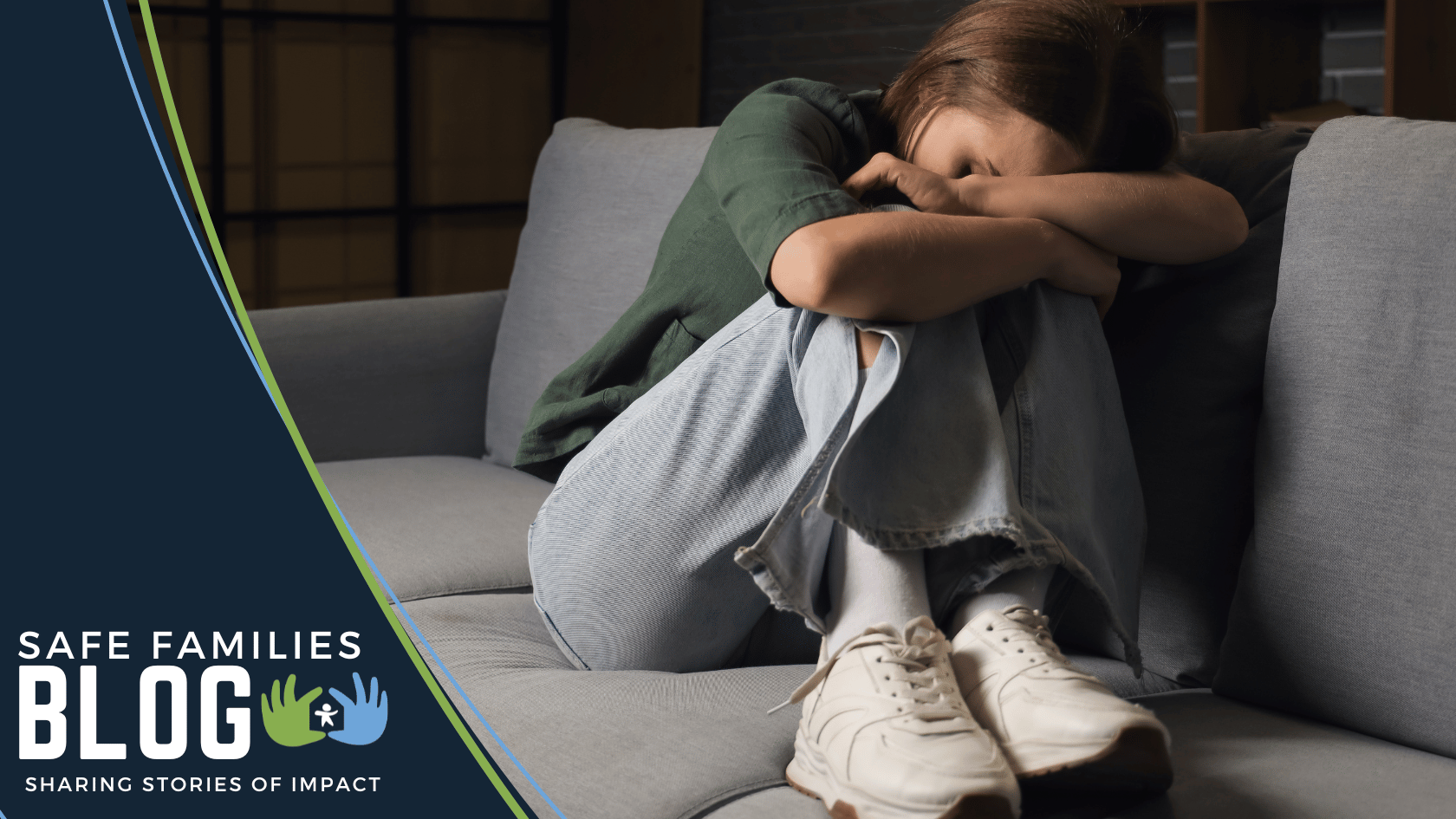
Between the long hours, many responsibilities, and lack of control, few jobs in our society are as demanding as parenting. And if a parent struggles with mental health issues like depression or anxiety, raising kids becomes even more difficult, challenging, and often debilitating. Many parents live in secrecy and isolation in dealing with their mental health, only causing more stress, burnout, and physical illness. This creates adverse, less responsive parenting environments. This stress directly impacts children, resulting in increased behavioral problems, emotional issues, developmental delays, and higher risks of mental health disorders. Parental mental health concerns have escalated to an urgent public health issue, with “48% of parents saying that most days their stress is completely overwhelming.”
May is National Mental Health Awareness Month and National Foster Care Month. Both of these awareness designations highlight the need for better support networks that come alongside stressed and isolated families, providing a sense of community, belonging, and hope through supportive networks. Research consistently shows that strong social bonds and relationships are associated with greater stability, better physical and mental health, resilience, community safety, and economic prosperity. These benefits extend well beyond individuals; they positively impact our communities and society.
Mental health is tougher to manage when you feel you’re all alone. When families are isolated, a job loss becomes devastating. A health issue becomes unmanageable. Financial challenges become insurmountable. Poverty becomes permanent. Mental health becomes all-consuming, leading to families struggling, feeling overwhelmed, and being alone in their parenting roles. During these times of crisis, children are more vulnerable to neglect and abuse. Not because their families don’t love them, they just lack the proper support system so many of us take for granted.
But there is a better way. When communities come together to address mental health issues by providing a sense of community, belonging, and hope, children can thrive, and more families can stay together without the involvement of child welfare. This is imperative to mental health concerns that show up to 80 percent of children in foster care have significant mental health issues, compared to approximately 18-22 percent of the general population. There is a better way, and our children deserve it.
Over half of all the parents we support at Safe Families for Children identify their mental health as a contributing factor. This statistic has doubled since the pandemic and continues to be a contributing factor for families facing child welfare involvement. Recently, a young mom reached out, battling mental health challenges while facing the loss of her home, car, and the ability to provide food for her children. She no longer felt she could properly care for her child, but feared what would happen if her child entered foster care. She needed immediate treatment for the safety of herself and her baby.
A Host Family stepped forward to care for her one-year-old while mom received the care and attention she so desperately needed. During this time, she was surrounded by a Circle of Support who walked alongside her, providing tangible support and resources as she worked to get healthy and back on her feet. Her Family Friends stepped up to help with transportation, ensuring her child could get to daycare while she searched for employment. Resource Friends found temporary housing and stocked a pantry filled with food and diapers when the mom returned home. A Family Coach and SFFC staff member walked alongside mom as she navigated re-entry and looked for a job with flexible hours. Overwhelmed by the love and support, the mom shared that she had never felt so cared for.
The Host Family continued to walk alongside her, offering rides, inviting her to church, taking her out for lunch, and being a compassionate listening ear. The local church even donated a car to her, enabling her to regain independence and take her child to daycare herself. Her perseverance has paid off—she recently landed a job and begins work this week! This is what Safe Families is all about. We walk alongside parents, providing both relational and resource support to help them get back on their feet and provide stability for their children. When we journey together in a relationship, we can find shared solutions, navigate life challenges, and become more resilient.
Safe Families for Children was founded to address the root causes of social isolation, loneliness, and parental stress caused by financial instability, housing and employment insecurity, lack of reliable childcare, mental health struggles, etc. Fueled by radical hospitality, disruptive generosity, and intentional compassion, Safe Families provides real solutions by wrapping caring, compassionate communities around families to keep children safe and parents supported.